
Why Your Brain Deserves a Baseline Screening
Just like checking your blood pressure, bloodwork, and other routine screenings

Most of us don’t question routine health screenings. We get bloodwork done. We monitor blood pressure and cholesterol. We schedule colonoscopies — not because something is wrong, but because knowing our baseline matters.
So why is the brain so often left out?
For many people, memory testing triggers fear. Dementia can feel overwhelming and permanent. But avoiding brain health doesn’t protect us. Understanding it does.
A baseline memory screening (sometimes called a healthy brain assessment) offers a snapshot of how your brain is functioning today. It looks at memory, thinking skills, and known risk factors so changes can be recognized early, just like other preventive screenings.
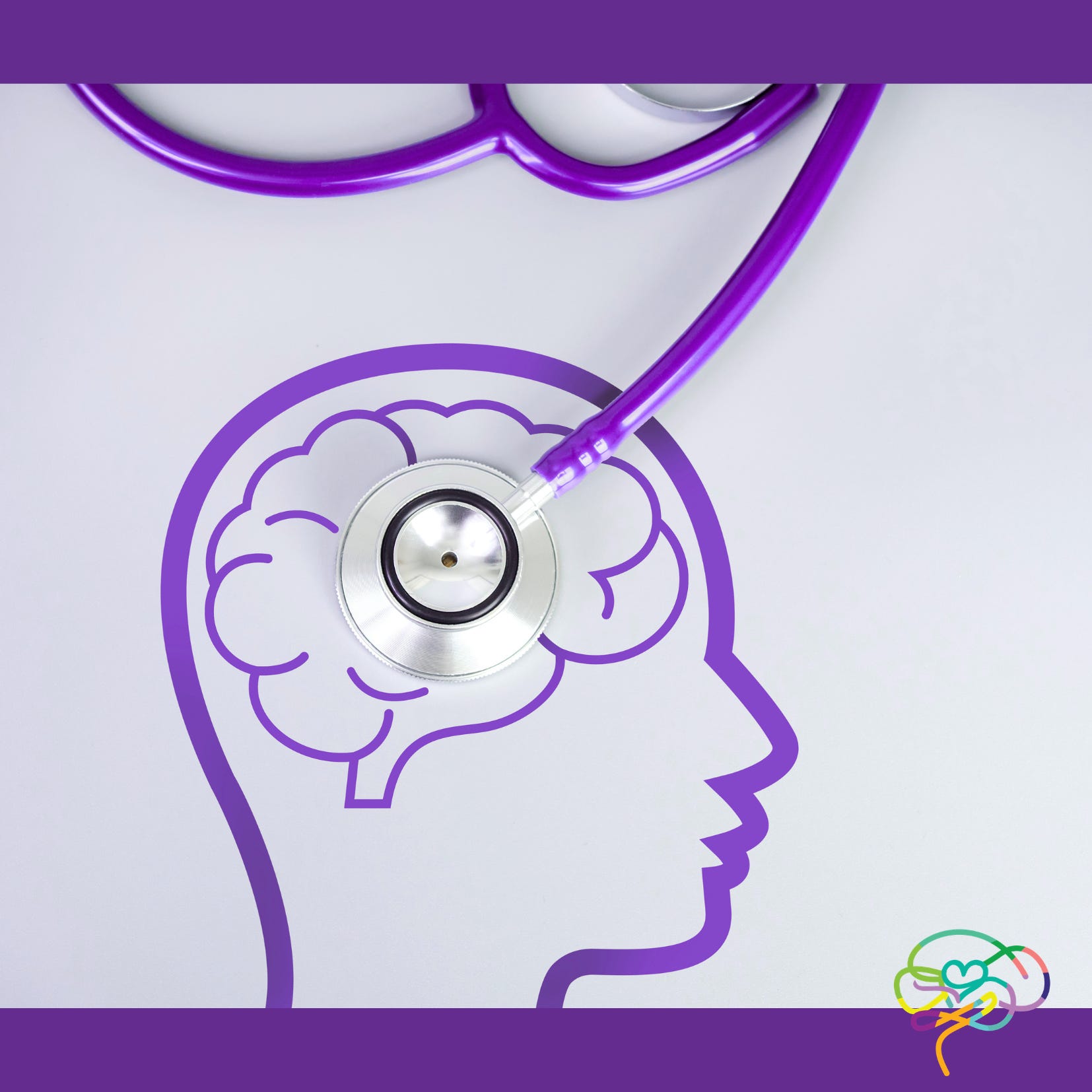
Research shows that many dementia risk factors are modifiable, especially in midlife. A comprehensive brain assessment may uncover risks such as:
High blood pressure, high cholesterol, or diabetes
Hearing loss
Lifestyle factors like physical inactivity, diet, or social isolation
In some cases, addressing even one overlooked issue can significantly reduce future risk.
Maureen Rabazinski, APRN and Chief Clinical Officer at My Memory Clinic, puts it plainly:
“You can sit there and be as afraid as you want for the rest of your life. But by doing something positive, by getting your baseline and learning… you can take steps to mitigate your risk.”
Preventing cognitive decline isn’t about supplements or gimmicks. The most powerful tools are simple and evidence‑based: regular physical activity, heart‑healthy nutrition, and managing chronic conditions.
A baseline memory screening isn’t about expecting the worst — it’s about taking charge of your health, your future, and your independence.
You can learn more about My Memory Clinic’s Healthy Brain Assessment here.
Several local research companies also provide free memory screenings, though they may not be as comprehensive:
As always, we encourage you to talk with your own experts and medical providers before making any significant changes in your life or your person’s life.
Author’s Note
This article was informed by Informed Aging, Episode 78: Check In On Your Brain, featuring Maureen Rabazinski, APRN of My Memory Clinic. Informed Aging is a podcast of the Alzheimer’s & Dementia Resource Center, focused on health, help, and hard decisions for older adults.